
 26/03/2026
  4 mins to read
 Written by Richard Bourne 26th March 2026
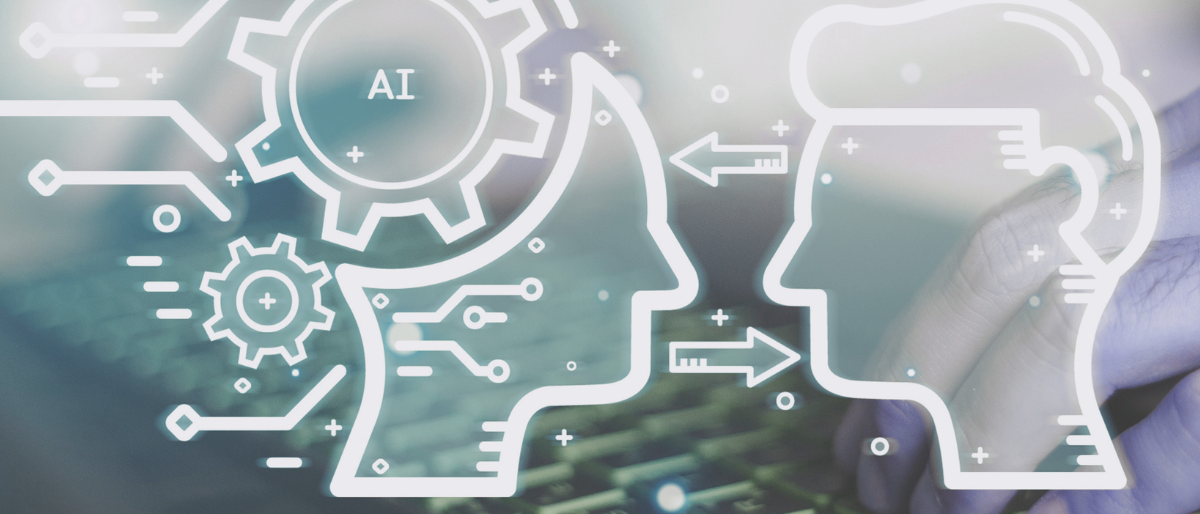
In a world increasingly driven by artificial intelligence, automation, and instant answers, it’s tempting to believe that technology can replace human expertise, especially in complex fields like recruitment. AI can analyse data, generate job descriptions, and even screen CVs at scale. BUT when it comes to making the right hiring decisions, there’s still no substitute for human experience.
Because recruitment isn’t just about filling roles. It’s about understanding people, businesses, and the subtle factors that determine long-term success.
The Value of Tacit Knowledge
Tacit knowledge is what professionals gain over years of hands-on experience. It’s not written in manuals or stored in databases, it’s built through real interactions, successes, failures, and pattern recognition.
An experienced recruiter doesn’t just match keywords on a CV to a job description. They recognise nuances:
- When a candidate’s career move signals ambition rather than instability
- When a hiring manager’s requirements don’t quite reflect what the business actually need
- When a “perfect” CV might not translate into a strong cultural fit
AI can process information, but it doesn’t understand context in the same way a human expert does.
Experience Shapes Better Judgement
Years of working within recruitment builds something far more valuable than data: judgement.
An expert recruiter has seen what works and what doesn’t, across multiple industries, roles, and hiring scenarios. They’ve witnessed placements succeed and fail, and they carry those lessons forward into every new assignment.
That experience allows them to:,
- Anticipate hiring challenges before they arise
- Advise clients on realistic expectations
- Guide candidates towards roles where they will genuinely succeed
AI can provide suggestions, but it cannot replicate the depth of insight that comes from lived experience.
Understanding Company Culture and Processes
Every organisation is different. Beyond job titles and responsibilities, there are internal dynamics that influence whether a hire will succeed:
- Leadership style
- Team structure
- Decision-making processes
- Pace of change and growth
An experienced recruiter takes time to understand these elements. They ask the right questions, read between the lines, and align candidates not just to the role—but to the business as a whole.
AI, on the other hand, works with the information it’s given. If the input is incomplete or inaccurate, the output will be too.
The Importance of Local and Practical Insight
Recruitment decisions are often influenced by practical, real-world considerations that go beyond job specs:
- Transport links and commute times
- Local salary benchmarks
- Cost of living and candidate expectations
- Availability of skills within a specific region
These are factors that experienced recruiters understand instinctively because they operate within those markets every day.
AI may access data, but it doesn’t live the market. It doesn’t know how a 45-minute commute feels during rush hour, or how a slight salary increase can make a role significantly more attractive in a competitive area.
Value-Added Thinking
A true recruitment expert doesn’t just fill vacancies—they add value.
They challenge assumptions, refine job specifications, and often help reshape roles to better suit both the business and the candidate market. They bring strategic thinking to the table, helping organisations make smarter hiring decisions that support long-term growth.
AI can assist with efficiency, but it rarely challenges thinking in a meaningful way.
Emotional Intelligence: The Human Advantage
Perhaps the most important difference is emotional intelligence.
Recruitment is fundamentally about people. It involves:
- Building trust with candidates
- Understanding motivations and concerns
- Navigating sensitive conversations
- Managing expectations on both sides
An experienced recruiter can read tone, body language, and unspoken hesitation. They know when to push, when to pause, and when to advise against a decision.
AI cannot replicate empathy. It cannot build genuine relationships. And it cannot truly understand human emotion.
AI is a Tool—Not a Replacement
None of this is to say that AI doesn’t have a place in recruitment. It absolutely does.
AI can streamline processes, improve efficiency, and handle repetitive tasks. It can support research, data analysis, and initial screening.
But it should remain exactly that: a tool.
The real value comes from combining technology with human expertise—not replacing one with the other.
Final Thoughts
The best hiring decisions don’t come from algorithms alone. They come from experience, understanding, and human judgement.
In recruitment, trust is everything—and trust is built by people.
So while AI continues to evolve, one thing remains constant:
If you want the right answer to a complex recruitment challenge, ask someone who’s been there, seen it, and knows what actually works.
Leave a Comment